
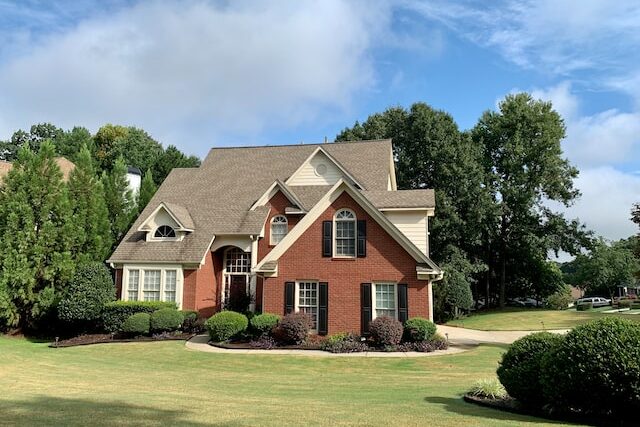
The Essential Guide to ‘Sell My House’ for Fast Cash
Selling a property is one of the most significant financial decisions a homeowner can make. When time is limited or circumstances change unexpectedly, many people begin searching for a reliable guide to selling their house for cash fast. Whether the motivation is relocation, financial pressure, divorce, inherited property, or avoiding costly repairs, a cash sale can provide a practical and efficient alternative to the traditional real estate process. This guide explains how “sell my house” cash sales work, when they make sense, and how to approach the process with clarity and confidence.
- Understanding How a Cash Home Sale Works
- When Selling Your House for Cash Makes Strategic Sense
- The Financial Consideration: Price vs. Net Outcome
- Evaluating a Cash Offer Professionally
- Comparing Traditional Sales and Cash Sales
- Common Misconceptions About Cash Buyers
- Making an Informed Decision
- Frequently Asked Questions
Understanding How a Cash Home Sale Works
Unlike a conventional sale that involves mortgage lenders, appraisals, and extended negotiations, a cash transaction removes financing from the equation. The buyer uses available funds to purchase the property outright, which significantly reduces delays and uncertainty.
The process typically begins with the homeowner providing basic information about the property. After evaluating market conditions and the home’s current state, the buyer presents an offer. If the seller agrees, both parties move toward closing, often within one to three weeks. Because there is no lender involved, there are fewer contingencies and less risk of the deal falling through at the last minute.
This streamlined structure is one of the main reasons homeowners explore cash options when they need speed and predictability.
When Selling Your House for Cash Makes Strategic Sense
A cash sale is not solely for distressed properties. In fact, many homeowners choose this route simply to avoid complexity. It is particularly beneficial in situations where timing is critical or repairs would require significant investment.
For example, individuals facing foreclosure may use a cash sale to prevent long-term credit damage. Homeowners relocating for employment often prefer a guaranteed closing date rather than waiting months for the right buyer. Those managing probate or inherited homes may not want to invest additional time or money preparing the property for listing.
In these scenarios, the value of certainty and convenience can outweigh the potential benefits of waiting for a higher traditional offer.
The Financial Consideration: Price vs. Net Outcome
One common question is whether selling for cash results in financial loss. It is true that cash offers may come in below full retail market value. However, focusing solely on the listing price does not provide a complete picture.
Traditional sales typically involve agent commissions, closing costs, repair expenses, staging fees, and ongoing holding costs such as mortgage payments, taxes, insurance, and utilities. When these factors are calculated, the net difference between a financed sale and a cash sale may be smaller than expected.
The decision should be based on total financial outcome rather than headline price alone.
Evaluating a Cash Offer Professionally
Approaching the process with preparation strengthens your position as a seller. Transparency about the home’s condition prevents renegotiations and builds trust. Reviewing comparable sales in your area provides context for evaluating an offer’s fairness.
It is also important to understand the structure of the agreement. Reputable buyers clearly outline the purchase price, closing timeline, and any associated costs. Professional transactions involve licensed title companies or attorneys to ensure legal compliance and secure fund transfers.
Sellers should never feel pressured to sign immediately. A legitimate buyer allows time for review and questions.
Comparing Traditional Sales and Cash Sales
A traditional sale often requires preparing the property, listing it publicly, accommodating showings, negotiating with multiple parties, and waiting for loan approval. While this route can yield a higher gross price, it involves uncertainty and extended timelines.
A cash sale, by contrast, emphasizes efficiency. The absence of financing eliminates appraisal contingencies and reduces the likelihood of last-minute cancellations. Closings can occur in as little as seven to twenty-one days, depending on title clearance and seller preference.
The appropriate path depends on personal priorities. Homeowners who value speed and simplicity may find greater peace of mind in a direct cash transaction.
Common Misconceptions About Cash Buyers
There are persistent misconceptions that cash transactions are risky or informal. In reality, professional home-buying companies operate under the same legal frameworks as traditional transactions. Contracts are binding, and closings are handled through licensed third parties.
Another misunderstanding is that only severely distressed homes qualify. While properties in need of repair are common, many buyers purchase well-maintained homes when sellers prioritize convenience.
Understanding these distinctions allows homeowners to approach the process objectively rather than emotionally.
Also read topic about how to sell my house fast near me by click here.
Making an Informed Decision
Choosing how to sell your home ultimately depends on your timeline, financial goals, and tolerance for uncertainty. If you require immediate liquidity, want to avoid renovations, or prefer a defined closing date, selling for cash may align with your needs.
If maximizing sale price is your highest priority and you have flexibility in timing, listing traditionally may be worth considering. The key is aligning strategy with circumstance rather than reacting to market noise.
A thoughtful evaluation of both options ensures you move forward confidently.
Frequently Asked Questions
1. How quickly can a cash home sale close?
Most cash transactions close within one to three weeks, depending on title processing and the agreed-upon schedule.
2. Do I need to repair my home before selling for cash?
In most cases, no. Cash buyers typically purchase properties in as-is condition, regardless of needed repairs.
3. Are cash offers negotiable?
Yes. While offers are based on market data and condition, sellers can discuss terms before signing an agreement.
4. How do I verify a cash buyer’s legitimacy?
Request proof of funds, review the purchase agreement carefully, and ensure a licensed title company or attorney manages closing.
5. Is a cash sale safer than a financed sale?
Cash sales reduce the risk of financing delays or loan denials, which can make them more predictable in certain situations.